
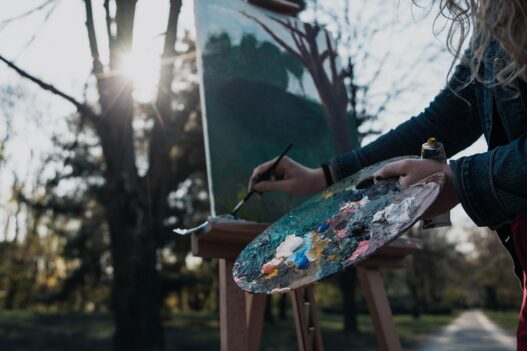
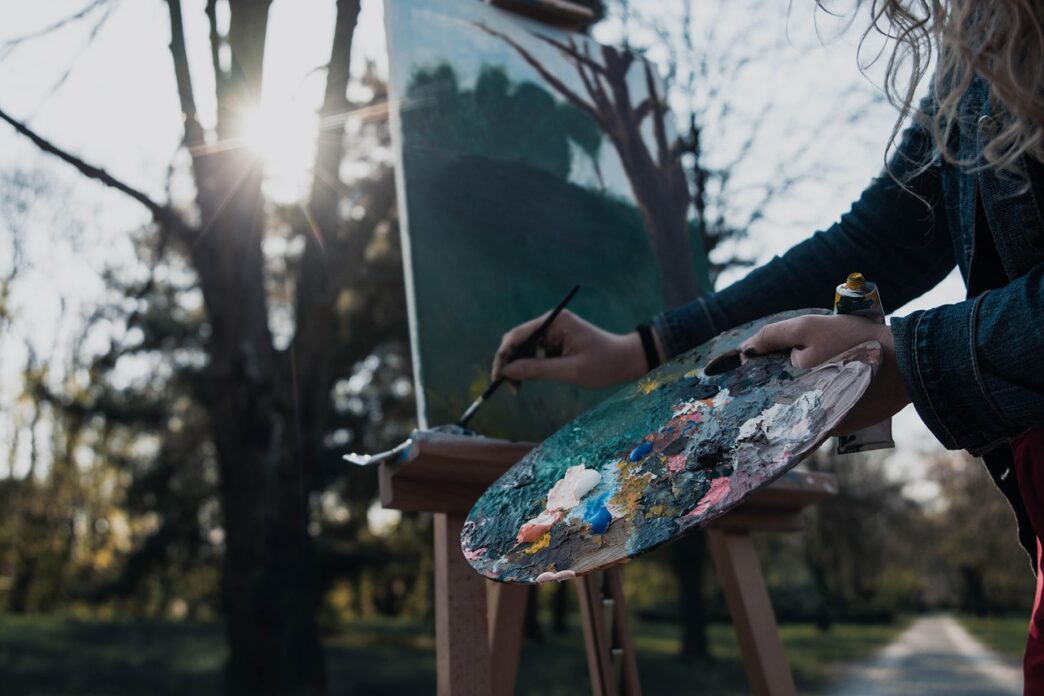
In 2025, eco-art is gaining prominence as a form of activism and inspiration. It blends artistic practices with the urgency of environmental conservation, reflecting on humanity’s impact and exploring sustainable ways of living. Artists create multimedia installations, murals, performances, and digital works aimed at raising awareness about climate change, biodiversity loss, and pollution.
Key Directions in Eco-Art
- Connecting with nature through creativity
Many projects focus on ecosystem restoration or visualizing natural processes. For example, the Environmental Art Project engages schoolchildren in creating artwork that reflects ideas of forest and water renewal. - Using recycled materials
Artists repurpose plastics, metals, and discarded materials into sculptures and art objects carrying environmental messages. - Social and educational impact
Eco-art often includes interactive programs, workshops, and festivals that engage communities and foster environmental consciousness. - Technology serving ecology
Modern tools including virtual reality and digital installations expand art’s impact and create immersive ecological experiences.
Examples of Eco-Art Projects in 2025
| Project / Initiative | Description | Goals and Impact |
|---|---|---|
| Environmental Art Project | Schoolchildren’s nature-themed artworks | Cultivating environmental awareness |
| Earth Rising Festival | Multimedia installations and performances | Awakening and discussing climate issues |
| Mi Terro | Artworks from recycled materials | Introducing sustainable materials in art |
| Pearl Beach Arboretum Trail | Art trails in nature reserves | Harmony between humans and nature through art |
| Ecological Design Collective | Digital exhibitions and ecological design | Supporting multispecies life and ecology |
Why Eco-Art Matters
Eco-art not only broadens creative horizons but also acts as a catalyst for conscious societal change. It builds emotional connections with nature, motivates action, and creates dialogue spaces between science, culture, and everyday life.
In a world facing growing ecological challenges, artists are becoming nature’s stewards, using the unique language of art to communicate the urgent message of planet protection to us all.