
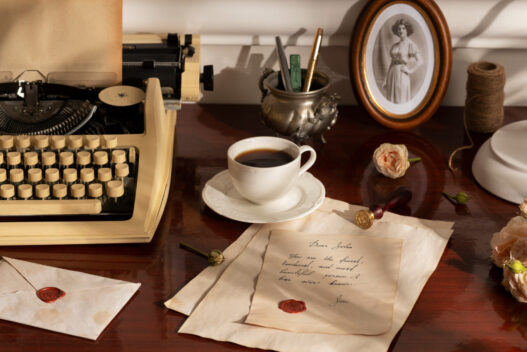
In recent years, the interest in retro and vintage style has soared. Items with history, recognizable silhouettes, and materials from the last century are once again highly desirable—whether in wardrobes or interiors. But why is vintage experiencing such a strong comeback today?
Nostalgia: A Bridge Between Eras
The desire to connect with the past is a key reason for vintage’s popularity. Many believe that styles from previous decades carry a special energy, evoking the “golden age” of fashion or cozy family memories. For the modern generation, it’s a way to stand out and break free from the mass market.
Sustainability and Conscious Consumption
Vintage fashion is a response to overproduction and disposable consumer culture. By choosing pieces with history, people are making an environmentally conscious choice. Vintage clothing and furniture help reduce waste and highlight unique style.
Quality and Exclusivity
Vintage is often associated with quality: old items were made to last, with natural materials and attention to detail. Many vintage finds are one-of-a-kind, which is especially valuable in an era of identical products.
Inspiration for Designers
Modern designers increasingly turn to archives and past collections, reimagining classic silhouettes and prints for a new audience. Retro accessories and elements from previous eras now take center stage in fashion shows and the mass market.
The Digital Era and Second-Hand Culture
The boom in resale platforms, online flea markets, and vintage enthusiast communities has made unique pieces more accessible than ever. Social media and influencers actively promote vintage looks, inspiring millions around the globe.
The return of retro is both a tribute to history and a creative, responsible approach to the future. Vintage helps create an individual style, support sustainable living, and draw inspiration from the culture of past decades.