
Modern education is rapidly transforming under the influence of technology. While just a few years ago students were limited to traditional classroom formats, today learning is becoming more flexible, interactive, and personalized. Technologies open new possibilities, making the process of acquiring knowledge more effective and engaging.
Virtual and Augmented Reality: Immersion in the Learning Process
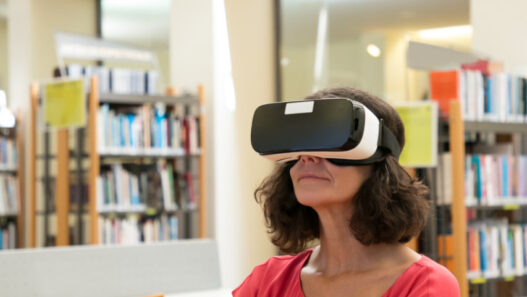
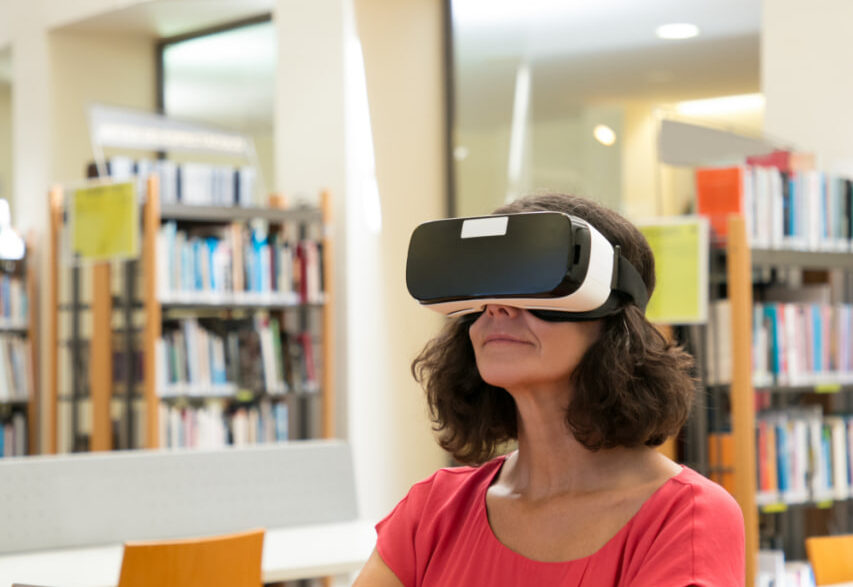
One of the brightest innovations in recent years has been the active implementation of virtual (VR) and augmented reality (AR) in education. These technologies allow students to immerse themselves in historical events, study human anatomy in 3D, or conduct virtual experiments that are not available in a typical school lab.
VR classrooms create a safe and interactive space for learning, which is especially relevant in remote or hybrid learning formats.
Artificial Intelligence and Personalized Learning
Artificial intelligence (AI) is changing the approach to education by tailoring learning materials to each student. AI-powered systems analyze progress, identify weaknesses, and provide personalized assignments and recommendations. This helps learners study at their own pace and absorb material more deeply.
AI is also used for automatic grading, interactive communication through chatbots, and creating virtual assistants, significantly expanding student support options.
Online Platforms and Access to Knowledge
The rise of online education is another major trend. Courses on platforms like Coursera, edX, and others allow people to gain knowledge in a wide range of fields from home. This provides educational access to people from remote regions and helps with rapid reskilling.
Gamification and Game-Based Learning
To increase motivation and engagement, game elements are widely used in education. Points, levels, rewards, and competitions make learning feel like a game, stimulating continuous development.
Technology is transforming education, making it more accessible, interesting, and effective. From VR classrooms to artificial intelligence, innovations help each learner gain knowledge in a convenient form and at a developed pace. We can already say that the education of the future is built on individual approaches and digital possibilities.