
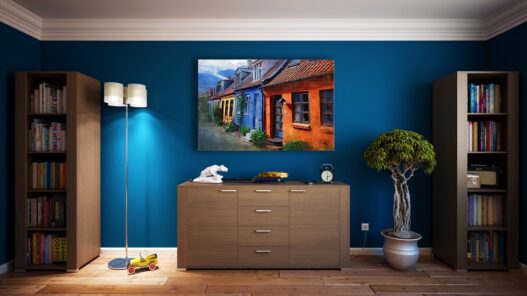
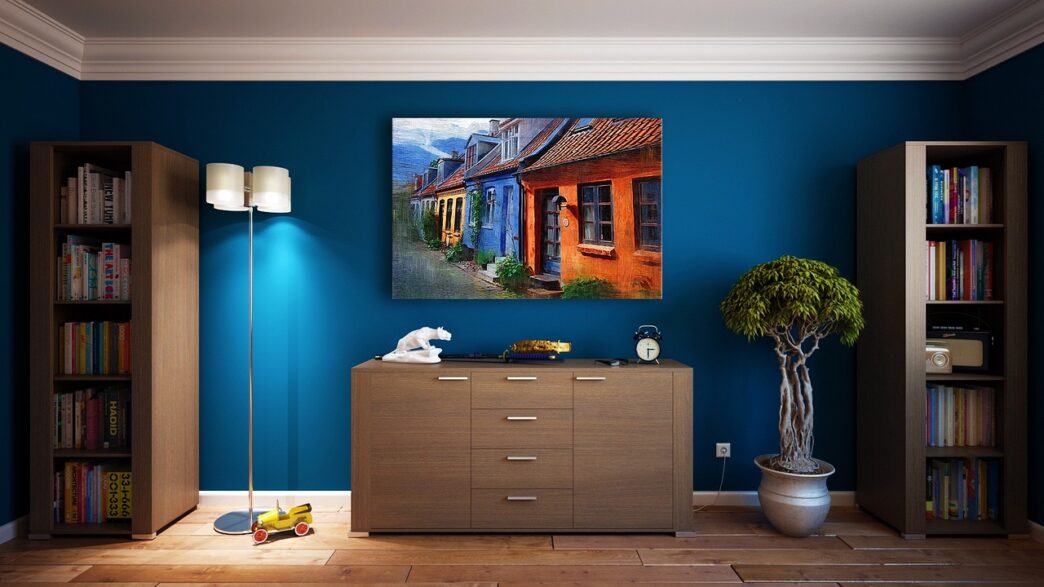
Contemporary interior art design is increasingly moving beyond mere decoration to become a vital part of shaping the mood and identity of a space. Art affects visual perception, creates emotional accents, and harmoniously connects functional and aesthetic solutions.
Key Trends of 2025
- Individuality and personalization
More people seek to tell their personal stories through carefully selected artwork — from paintings and sculptures to unique handmade pieces. - Mixed media and new formats
Contemporary art breaks classical boundaries: digital installations, neon sculptures, video projections, and interactive objects become integral to residential and commercial spaces. - Color and texture as mood
Art actively uses vibrant colors and tactile elements to enliven interiors and create emotional “anchors.” - Eco-friendly and ethical art
Designers and artists increasingly turn to sustainable materials and create works emphasizing care for nature and conscious consumption. - Gallery-style home decor
The trend toward designing spaces like mini-galleries grows, where art becomes the center of attention and shapes a unique atmosphere.
Practical Tips for Integrating Art into Interiors
- Choose artworks that evoke emotions and suit your lifestyle.
- Use lighting to highlight art pieces and set the desired atmosphere.
- Experiment with layering — combine large art pieces with small details and decorative elements.
- Don’t hesitate to mix classic and contemporary styles to create dynamic, personalized spaces.
Main Styles and Formats of Art Design in 2025
| Style / Format | Features | Applications |
|---|---|---|
| Personalized Art | Individual works with deep meaning | Homes, offices |
| Digital and Interactive Installations | Tech media changing with environment | Commercial spaces, exhibitions |
| Bold Colors and Textures | Focus on emotional impact | Living rooms, lobbies, lounges |
| Eco-Friendly Art | Recycled and sustainable materials | Eco-homes, public spaces |
| Gallery Style | Space designed as an art exhibition | Apartments, public areas |
In 2025, interior art design becomes a powerful tool for personalization and emotional enrichment of spaces. Art ceases to be mere decoration and becomes a source of inspiration, dialogue, and harmony. The right choices and integration of art allow creating homes and offices with a distinctive character that reflects not only aesthetic preferences but also the values of their inhabitants.